Steady Leadership Sessions
Practical tools for leading with clarity and composure when pressure is high
Formats available: 90-minute session (in-person or virtual) | 3-hour workshop (in-person or virtual) | Full-day leadership training (in-person)
Leaders today are navigating constant change, competing priorities, and increasing pressure on teams. In environments like this, the emotional and behavioural signals leaders send become even more influential.
When leaders project urgency and reactivity, teams often become unsettled. When leaders project steadiness and clarity, teams think more clearly, collaborate more effectively, and make better decisions.
Steady Leadership Sessions provide practical tools leaders can use immediately to stay composed under pressure, communicate clearly in challenging situations, and create environments where teams can perform at their best.
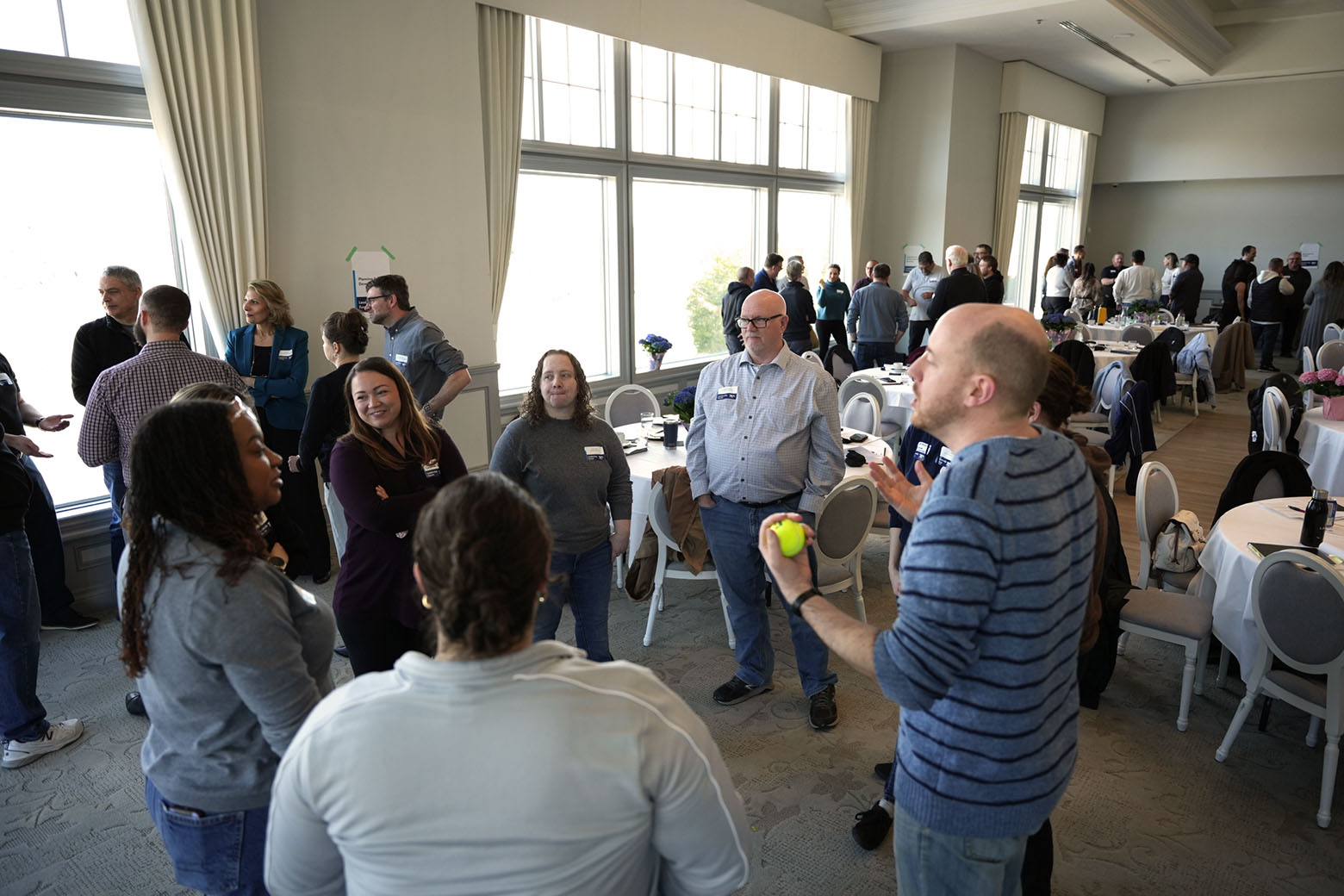
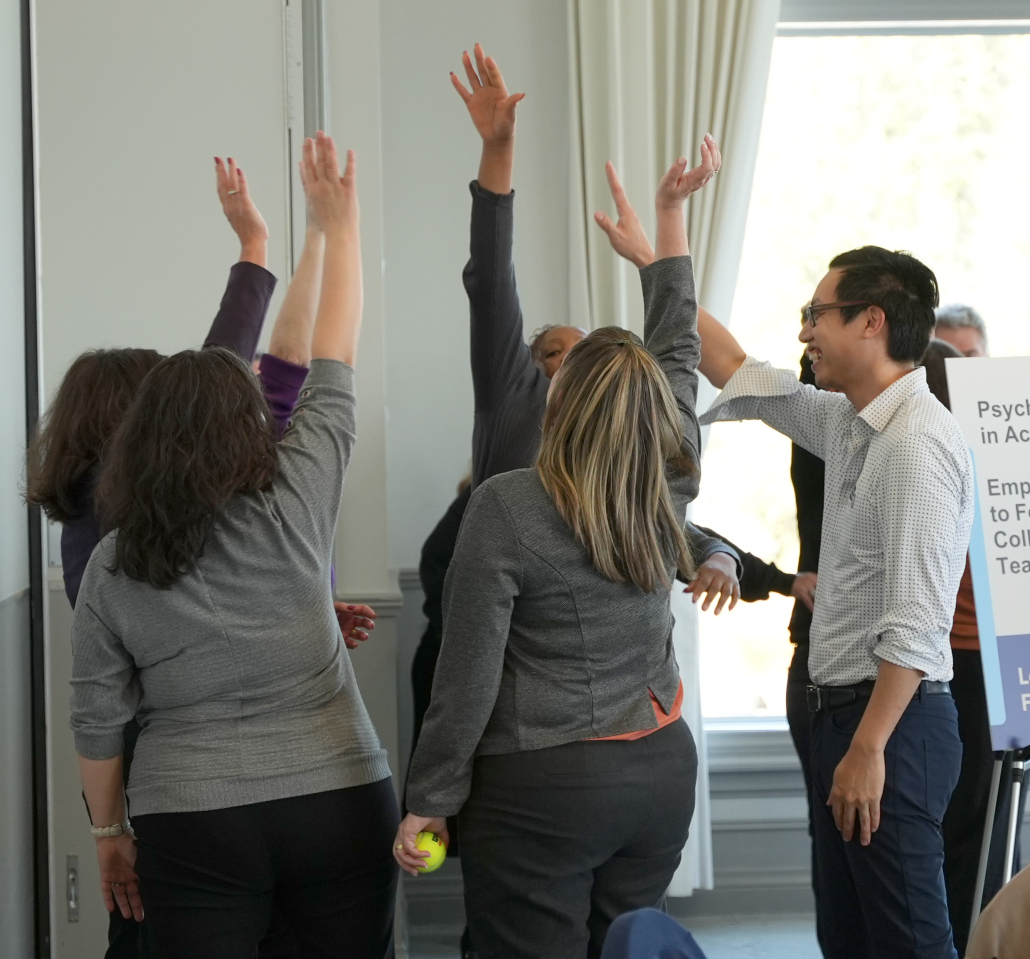
These sessions are highly interactive and grounded in real leadership scenarios, giving participants the opportunity to reflect, practice, and strengthen the leadership signals they send every day.
Sessions can be delivered as a 90-minute leadership session, 3-hour skill-building workshop, or full-day leadership development program, depending on the organization’s needs.
Session Outcomes
Participants will:
• Strengthen their ability to remain steady and composed during pressure, uncertainty, and challenging conversations
• Learn practical tools to slow reactive environments and bring clarity to important decisions
• Increase confidence in communicating with calm authority in difficult or high-stakes situations
• Understand how leadership signals influence team culture, psychological safety, and performance
• Practice simple techniques that help teams focus on what matters most and avoid unnecessary urgency
• Leave with practical strategies they can apply immediately in meetings, conversations, and leadership decisions
To learn more about these training sessions, book a meeting with Sara Wegwitz, call 250-744-4770 or email today.


 Celebrating Mulligans: Turning Missteps and Mishaps into Momentum!January 20, 2025 - 12:18 pm
 Checking In vs. Checking On: The Leadership Shift that Builds TrustJanuary 16, 2025 - 12:37 pm
 How to Future Proof Your Team: Building Resilience and Psychological Safety for 2025 and BeyondJanuary 13, 2025 - 1:54 pm